
SEO vs Google Ads: Which Is Better for Your Business in 2026?
Choosing between SEO vs Google Ads is one of the most important decisions businesses make when planning their online marketing strategy. Both approaches help businesses attract potential customers, increase website traffic, and generate leads, but they work in different ways.
Search Engine Optimization (SEO) focuses on improving your website’s organic visibility in search engine results, while Google Ads helps businesses display paid advertisements to people searching for relevant products and services.
So, which strategy is better for your business?
The answer depends on your marketing goals, budget, competition, target audience, and how quickly you want to generate results. In this guide, we will compare SEO and Google Ads, explore their benefits, costs, limitations, and explain how businesses can choose the right digital marketing strategy.
What Is SEO (Search Engine Optimization)?
Search Engine Optimization (SEO) is the process of improving a website’s visibility in organic search engine results. It involves optimizing website content, technical performance, page structure, keywords, and backlinks to help search engines understand and rank relevant pages.
A well-planned SEO strategy helps businesses reach people who are actively searching for their products, services, or information.
Important Elements of SEO
- Keyword Research: Finding relevant search terms that potential customers use on Google.
- On-Page SEO: Optimizing headings, meta titles, descriptions, URLs, content, and internal links.
- Technical SEO: Improving website speed, mobile usability, indexing, and crawlability.
- Off-Page SEO: Building relevant backlinks and strengthening website authority.
- Local SEO: Improving visibility in location-based searches and Google Maps.
- Content Optimization: Publishing helpful, relevant, and informative content that answers users’ questions.
For example, when someone searches for SEO Company in Rajpura, a business with a properly optimized website may appear in Google’s organic results.
Unlike paid advertising, organic search clicks do not require a payment to Google for every visitor. However, SEO requires investment in strategy, content, optimization, and ongoing improvements.
What Are Google Ads?
Google Ads is Google’s online advertising platform that allows businesses to promote their products and services through paid advertisements.
Businesses can create campaigns targeting specific keywords, locations, audiences, devices, and customer interests.
When someone searches for a keyword related to an active advertising campaign, eligible advertisements may appear in sponsored positions on Google Search.
How Google Ads Works
- A business creates an advertising campaign.
- Relevant keywords and target audiences are selected.
- An advertising budget and bidding strategy are configured.
- Google evaluates eligible advertisements through its ad auction.
- Ads may appear when users perform relevant searches.
- Businesses monitor clicks, conversions, and campaign performance.
Common Types of Google Ads
- Search Ads: Text advertisements displayed on Google Search.
- Display Ads: Visual advertisements across websites and apps in the Google Display Network.
- Shopping Ads: Product advertisements that display information such as product images and prices.
- Video Ads: Advertisements shown on YouTube and other video placements.
- Performance Max: Campaigns designed to reach customers across Google’s advertising channels.
Google Ads can help businesses gain paid visibility quickly, but traffic generally depends on campaign activity and budget.
SEO vs Google Ads: Key Differences
Understanding the differences between SEO and Google Ads helps businesses decide where to invest their marketing resources.
| Comparison Factor | SEO | Google Ads |
|---|---|---|
| Traffic Type | Organic Traffic | Paid Traffic |
| Visibility | Earned search rankings | Sponsored placements |
| Initial Speed | Usually takes time | Can start quickly |
| Click Charges | No payment per organic click | Often charged per click |
| Long-Term Value | Can build lasting visibility | Depends on ongoing campaigns |
| Budget Control | SEO activity and resource investment | Campaign budget and bidding |
| Keyword Targeting | Content and search intent | Keyword and audience targeting |
| Trust | Organic search presence | Clearly identified advertisements |
| Competition | Compete through relevance and authority | Compete through ad auction |
| Best For | Sustainable organic growth | Faster targeted visibility |
Both strategies can support business growth, but their effectiveness depends on how well they are planned and managed.
SEO vs Google Ads: Which Is More Cost-Effective?
Cost is one of the biggest factors when comparing SEO vs Google Ads.
SEO and Google Ads have different cost structures. SEO requires investment in website optimization, content creation, technical improvements, and link-building activities. Google Ads generally requires an advertising budget, with costs depending on competition, bidding, targeting, and campaign performance.
SEO Costs
Common SEO expenses include:
- Keyword research and competitor analysis.
- Website optimization and technical SEO.
- Content writing and optimization.
- Relevant backlink acquisition.
- Local SEO and ongoing performance monitoring.
SEO does not charge businesses for every organic search click, which can make successful organic rankings valuable over time.
Google Ads Costs
Google Ads expenses may include:
- Advertising clicks and campaign spending.
- Keyword bidding competition.
- Landing page improvements.
- Campaign management and optimization.
- Conversion tracking and reporting.
For competitive keywords, advertising costs can increase depending on the industry and market.
Important: Neither SEO nor Google Ads is automatically cheaper. Businesses should evaluate the total investment against the leads, sales, and revenue generated.
SEO vs Google Ads: Which Gives Faster Results?
When comparing SEO vs Google Ads results, Google Ads generally offers faster visibility.
Once a campaign is approved and becomes eligible to serve, advertisements can start reaching potential customers. This makes paid advertising useful for product launches, seasonal promotions, and businesses that need quicker exposure.
SEO usually requires more time because organic rankings depend on factors such as:
- Website quality and technical performance.
- Content relevance and usefulness.
- Keyword competition.
- Website authority and backlinks.
- Search intent and overall user experience.
A new website may need a longer period to establish organic visibility, while an established website may see improvements sooner for selected keywords.
The key difference: Google Ads can provide quicker exposure, while SEO focuses on developing sustainable organic visibility.
Benefits of SEO for Businesses
A well-executed SEO strategy for businesses can provide several long-term advantages.
1. Builds Long-Term Organic Visibility
SEO helps websites appear in organic search results for relevant keywords. Well-optimized pages can continue attracting visitors even when businesses are not running paid campaigns.
2. Attracts Relevant Website Traffic
By targeting keywords that match customer needs, SEO can attract visitors who are actively researching products or services.
3. Supports Lead Generation
Service pages, location pages, and helpful content can connect businesses with potential customers searching for solutions.
4. Strengthens Brand Credibility
Consistent organic visibility, helpful information, and a professional website can improve how people perceive a business.
5. Creates Long-Term Content Value
An informative blog or optimized service page can continue attracting search traffic when it remains relevant and competitive.
6. Supports Local Business Growth
Local SEO helps businesses improve their visibility for location-specific searches and connect with customers in their service areas.
Benefits of Google Ads for Businesses
Google Ads offers advantages for businesses that need targeted paid visibility.
1. Faster Advertising Visibility
Businesses can start reaching potential customers soon after campaigns become eligible to serve.
2. Flexible Budget Management
Advertisers can configure campaign budgets, bids, and spending limits according to their marketing requirements.
3. Location-Based Targeting
Businesses can target selected cities, regions, or other supported geographic areas.
4. Measurable Campaign Performance
Google Ads provides reporting information such as impressions, clicks, cost, and conversions when tracking is configured correctly.
5. Useful for Promotions
Businesses can use paid campaigns to promote new products, special offers, events, and seasonal services.
6. Testing Marketing Opportunities
Google Ads can help businesses test different keywords, landing pages, and advertising messages to understand customer demand.
SEO vs Google Ads: Which Is Better for Small Businesses?
For small businesses, choosing between SEO or Google Ads depends on available resources and business objectives.
A business with a limited marketing budget may prefer to build organic visibility through SEO, while a business launching a new service may use paid advertising to reach potential customers more quickly.
Consider these situations:
| Business Situation | Suitable Approach |
|---|---|
| Limited advertising budget | Focus on SEO |
| Need faster paid visibility | Google Ads |
| Building long-term online presence | SEO |
| Promoting a seasonal offer | Google Ads |
| Targeting local customers | Local SEO |
| Testing new service demand | Google Ads |
| Sustainable organic lead generation | SEO |
For many small businesses, a combination of both approaches can provide a balanced marketing strategy.
Can SEO and Google Ads Work Together?
Yes. SEO and Google Ads can complement each other when businesses use them strategically.
Instead of treating these channels as competitors, businesses can use both to support different marketing objectives.
How to Combine SEO and Google Ads
1. Use Google Ads for Immediate Campaign Visibility
Paid campaigns can help businesses promote new services, special offers, and time-sensitive products.
2. Build Organic Visibility Through SEO
At the same time, optimize website pages and publish helpful content to develop long-term organic traffic.
3. Identify Valuable Search Keywords
Google Ads campaign reports can provide useful information about search terms and conversion performance. This information can help inform future SEO content planning.
4. Improve Landing Pages
Both paid advertising and organic search benefit from relevant, informative landing pages with clear calls to action.
5. Measure Both Channels
Track organic clicks, paid clicks, enquiries, conversions, and actual business outcomes to understand which channels contribute value.
An integrated SEO and PPC strategy can help businesses balance immediate advertising opportunities with long-term organic growth.
How to Measure SEO and Google Ads Performance
Getting website traffic is not the only goal of digital marketing. Businesses should understand whether their marketing efforts are generating meaningful results.
Important SEO Metrics
- Organic Clicks: Number of clicks received from organic search results.
- Impressions: How often website pages appear in search results.
- Average Position: The average ranking position of a website’s results.
- Click-Through Rate (CTR): Percentage of impressions that result in clicks.
- Organic Conversions: Enquiries, calls, or purchases attributed to organic traffic.
- Keyword Rankings: Visibility for relevant search terms.
Tools such as Google Search Console and Google Analytics can help monitor organic search performance and website activity.
Important Google Ads Metrics
- Impressions: Number of times advertisements are shown.
- Clicks: Number of interactions with advertisements.
- Cost Per Click (CPC): Average amount paid for each click.
- Conversion Rate: Percentage of ad interactions that result in conversions.
- Cost Per Conversion: Advertising cost associated with each recorded conversion.
- Return on Ad Spend (ROAS): Revenue attributed to advertising compared with advertising expenditure.
Measuring these metrics helps businesses make informed decisions and improve their marketing campaigns.
Common Mistakes Businesses Should Avoid
Whether choosing SEO or Google Ads, businesses should avoid mistakes that waste time and marketing budgets.
- Expecting Instant SEO Rankings: SEO takes time and depends on competition, website quality, and other factors.
- Running Ads Without a Strategy: Campaigns need relevant keywords, targeting, and suitable landing pages.
- Ignoring Search Intent: Traffic is less valuable when visitors cannot find what they are looking for.
- Not Tracking Conversions: Clicks and impressions alone do not establish business success.
- Using Poor Landing Pages: Slow, confusing, or irrelevant pages can reduce campaign effectiveness.
- Ignoring Website Experience: Mobile usability, navigation, and clear contact information matter.
- Choosing Keywords Without Research: Businesses should focus on relevant keywords instead of targeting search volume alone.
A strong digital marketing strategy focuses on attracting the right audience and converting relevant visitors into customers.
Why Choose Avidra Solutions for SEO Services?
At Avidra Solutions, we focus on helping businesses improve their online visibility through strategic search engine optimization.
Our approach focuses on understanding business goals, researching relevant keywords, improving website performance, and developing SEO strategies based on search intent.
Our SEO Services Include
- Keyword Research: Identify relevant search terms and opportunities.
- On-Page SEO: Improve website content, headings, metadata, and internal linking.
- Technical SEO: Identify and address technical website issues.
- Local SEO: Improve location-based search visibility.
- Content Optimization: Develop helpful and search-focused website content.
- Link Building: Work toward building relevant website authority through quality links.
- E-commerce SEO: Improve the organic search visibility of online stores.
Whether you are starting a new website or looking to improve an existing online presence, our goal is to develop an SEO strategy that supports your business objectives.
Explore our SEO Services to learn more about our approach.
Frequently Asked Questions About SEO vs Google Ads
1. Which is better, SEO or Google Ads?
SEO is suitable for businesses aiming to develop long-term organic visibility, while Google Ads is useful for businesses that need faster paid exposure. The right choice depends on your budget, competition, and marketing objectives.
2. Is SEO cheaper than Google Ads?
SEO does not involve paying Google for every organic click, but it requires investment in content, optimization, and expertise. Google Ads involves advertising expenditure based on campaign activity. The more cost-effective option depends on your results and business goals.
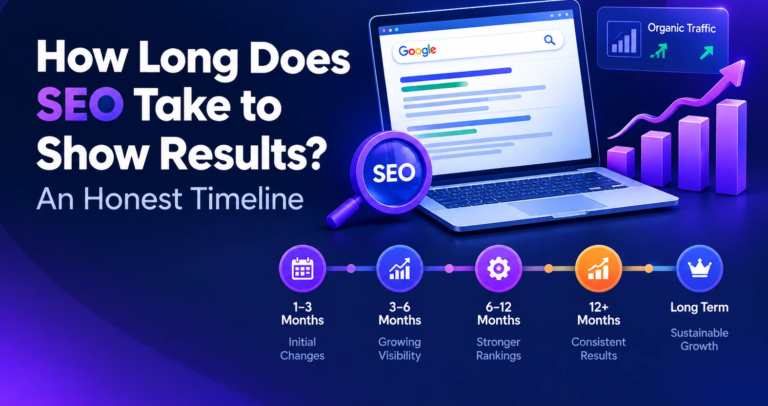
3. How long does SEO take to show results?
SEO timelines vary depending on website age, competition, content quality, technical performance, and other ranking factors. Some improvements may appear earlier, while competitive keywords can take considerably longer.
4. Can Google Ads generate leads immediately?
Google Ads can start generating website visits and potential leads soon after an eligible campaign goes live. However, actual lead generation depends on targeting, competition, advertising quality, and landing page experience.
5. Do I need SEO if I am already using Google Ads?
Yes, SEO can complement paid advertising by helping your website build organic visibility. Using both strategies can diversify traffic sources and reduce reliance on a single marketing channel.
6. Can a new business start with SEO?
Yes. A new business can start SEO by optimizing its website structure, researching relevant keywords, creating helpful content, and developing its online presence. Results depend on competition and execution.
7. Does SEO guarantee first-page Google rankings?
No legitimate SEO provider can guarantee a specific Google ranking. Search positions depend on multiple factors and can change as competitors and search algorithms evolve.
8. What is the difference between SEO and PPC?
SEO focuses on earning organic visibility in search results, whereas PPC (Pay-Per-Click) is an advertising model in which advertisers generally pay when users click their ads. Google Ads is one of the platforms that offers PPC advertising.
Conclusion: SEO vs Google Ads — Make the Right Choice for Your Business
The comparison between SEO vs Google Ads is not about finding one solution that works for every business. Both strategies offer different advantages and can support different stages of business growth.
SEO helps businesses develop organic search visibility, attract relevant visitors, and build long-term online presence. Google Ads provides faster paid exposure, flexible campaign targeting, and measurable advertising performance.
If your objective is sustainable organic growth, SEO can be an important part of your digital marketing strategy. If you need faster campaign visibility, Google Ads may be worth considering.
For businesses looking to develop a balanced online marketing approach, combining SEO and paid advertising can offer opportunities for both immediate reach and long-term visibility.
Want to improve your website’s organic visibility? Explore Avidra Solutions and discover how strategic SEO can support your business growth.
One Comment