
What Is SEO and Why It Matters for Your Business
If you’ve ever searched for something on Google and clicked one of the first few results without even glancing at the ones below it, you’ve already experienced why SEO matters — you just didn’t call it that at the time.
SEO stands for Search Engine Optimization. In simple terms, it’s the process of making your website easier for search engines like Google to understand, and easier for the right people to find. That’s it. No secret formula, no shortcuts that magically push you to the top overnight — just a consistent set of practices around your website’s content, structure, and technical health.
But “easier to find” undersells how much this actually affects a business.
Why SEO Isn’t Just a Marketing Buzzword
Think about how you look for a plumber, a dentist, a pair of shoes, or a software tool. Chances are, it starts with a search. Not an ad you clicked on by accident — an actual search, where you typed what you needed and picked from what showed up.
That moment is where SEO lives. It decides whether your business shows up in that moment or gets skipped entirely because a competitor’s page ranked higher.
Here’s the part that makes SEO different from paid ads: once your pages start ranking well, they keep bringing in traffic without you paying for every single click. Ads stop the second your budget runs out. Good SEO keeps working in the background — slower to build, but far more durable.
What SEO Actually Involves
A lot of people assume SEO means “adding keywords somewhere on a page.” That’s a small piece of a much bigger picture. In practice, SEO touches almost every part of a website:
- On-page elements — your titles, headings, content, and how well a page actually answers what someone searched for. If you’re curious how deep this goes, our on-page SEO breakdown covers it in more detail.
- Technical health — things users never see directly, like site speed, mobile-friendliness, and whether Google can actually crawl and index your pages properly. This is where technical SEO comes in.
- Local presence — if you serve a specific city or region, your visibility in local search results matters just as much as your website itself. That’s covered under local SEO.
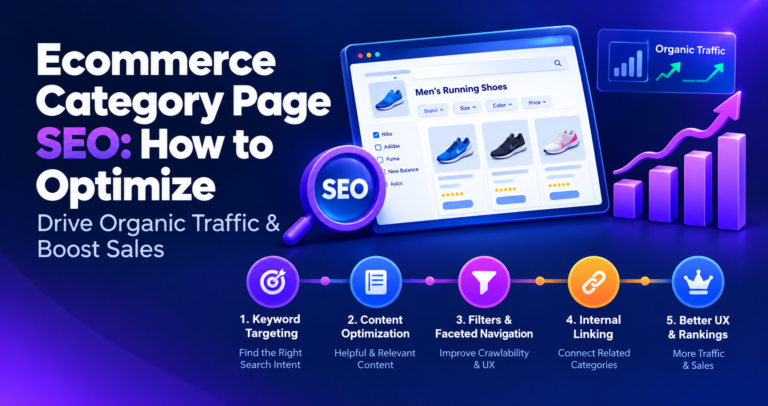
- Store-specific optimization — for online stores, SEO includes product pages, category structure, and platform-specific factors, which is its own specialty under E-commerce SEO.
- Authority and trust — how other credible websites reference or link back to yours, which signals to search engines that your site is worth trusting.
None of these work particularly well in isolation. A technically perfect website with thin content won’t rank. Great content on a slow, poorly structured site won’t rank either. SEO is the sum of these pieces working together.
A Simple Way to Think About It
Imagine two furniture stores. One has a solid Instagram presence but a website that barely gets found on Google. The other has a modest social following but shows up when someone searches “affordable dining tables in Ambala.” Over a year, the second store is quietly picking up customers who were never on social media in the first place — people actively looking to buy, not just scrolling.
That’s the practical difference SEO makes. It’s not about vanity metrics or getting more visitors for the sake of it. It’s about being visible to people who already have intent — they’re searching because they want something, and you either show up or you don’t.
Why It Takes Time — and Why That’s Not a Bad Thing
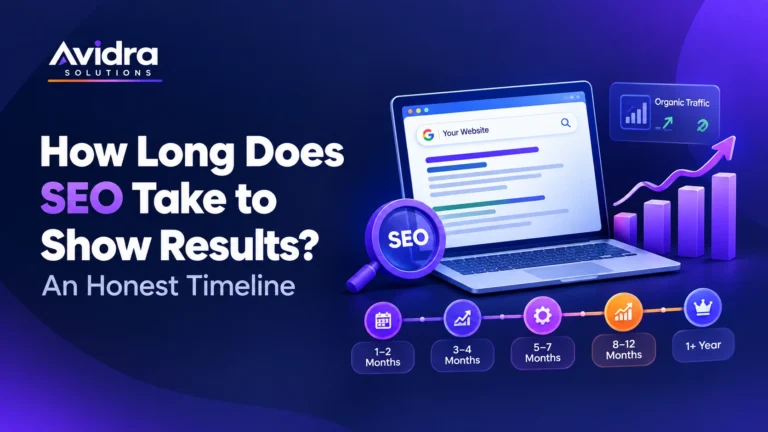
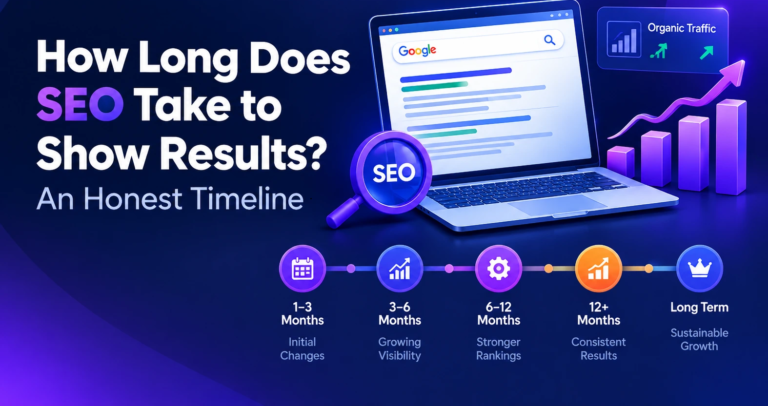
One thing worth being upfront about: SEO isn’t instant. Search engines need time to crawl your site, understand your content, and build enough confidence in it to rank you well. Depending on your industry, competition, and where your website currently stands, that could mean a few months before you notice meaningful movement.
The upside is that this isn’t wasted time. Every improvement — a better title tag, a fixed technical issue, a page that finally answers a question properly — adds up. Unlike ad spend, this groundwork doesn’t disappear the moment you stop paying for it.
Where to Start
If your website hasn’t had any real SEO attention yet, the most useful first step isn’t picking random keywords — it’s understanding where you currently stand. What’s working, what’s technically broken, and what your competitors are already doing well. From there, priorities become a lot clearer.
That’s essentially the starting point for any of our SEO services — understanding your business and your website before deciding what actually needs fixing first.
Not sure where your website stands right now?
Get a free SEO consultation and a clear, honest picture of what’s realistic — no inflated promises.
Get a Free SEO ConsultationFrequently Asked Questions
Is SEO really necessary for a small business?
Yes, especially if potential customers are searching for what you offer online. Even a basic level of SEO can help a small business get discovered by people who are actively looking, without relying entirely on paid ads.
How is SEO different from Google Ads?
Google Ads gets you visibility instantly, but only while you’re paying for it. SEO takes longer to build but continues bringing traffic without an ongoing cost per click. Most businesses benefit from using both, depending on their goals and budget.
Can I do SEO myself, or do I need an agency?
Basic SEO practices can be learned and applied yourself, especially for a small website. As competition and technical requirements increase, working with someone experienced can help avoid common mistakes and save time.
Does SEO guarantee a #1 ranking on Google?
No legitimate SEO service can guarantee a specific ranking — search engines don’t work that way, and anyone claiming otherwise should be a red flag. What SEO can realistically do is improve your visibility and organic traffic over time.
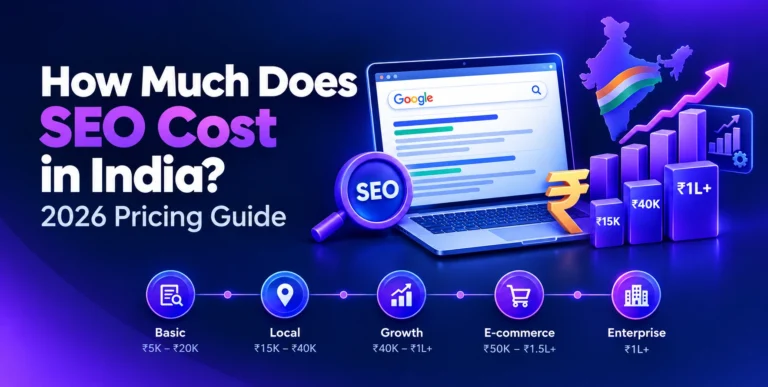
How much does SEO cost?
It varies depending on your website’s current state, industry competition, and goals. It’s best discussed directly based on what your website actually needs rather than a fixed generic price.
One Comment